Nearby Places
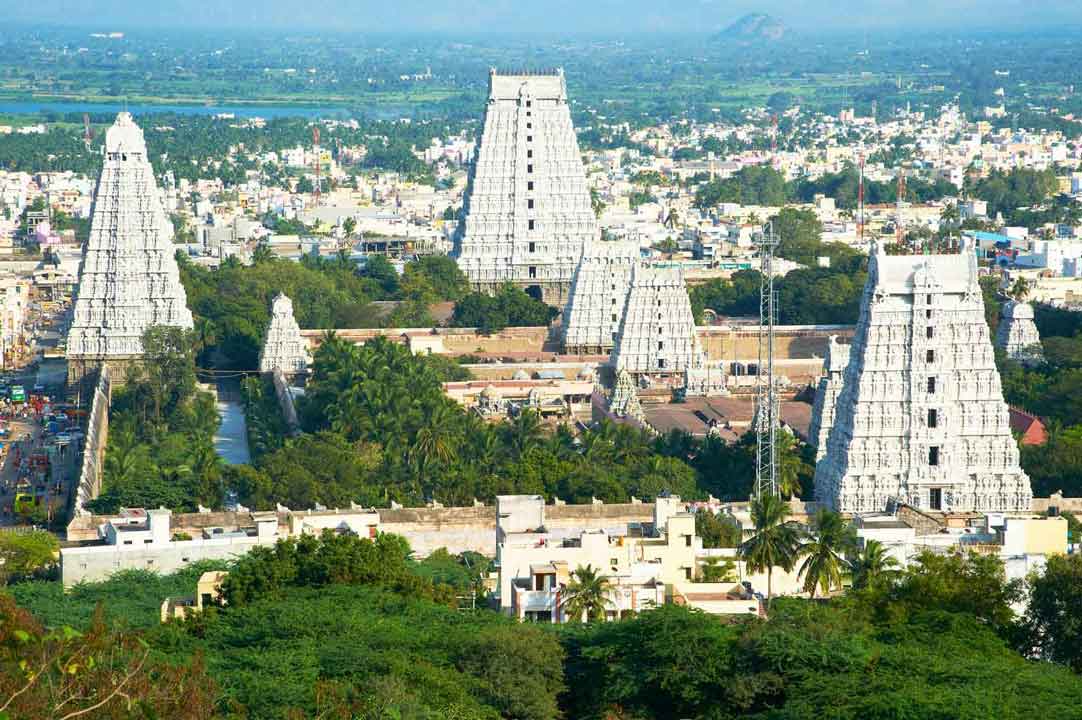
Arunachalesware Temple
Arunachaleswarar Temple in Tiruvannamalai is one of the Pancha Bhoota Sthalas, where Lord Shiva is worshipped as the Agni (fire) element, symbolizing the eternal flame of consciousness. It sits at the foot of sacred Arunachala Hill, believed to be Shiva’s manifestation as a column of light, and draws millions for the monthly Girivalam and the grand Karthigai Deepam festival. The vast Dravidian complex spans multiple prakarams with towering gopurams, including the famous eastern Rajagopuram, and shrines for Annamalaiyar (Shiva) and Unnamulai Amman (Parvati). Historically expanded by Cholas and Vijayanagara rulers, it remains a living center of devotion, meditation, and spiritual inquiry. Visitors often begin at dawn for darshan, then walk the 14 km circumambulation route around Arunachala for a serene, reflective experience.
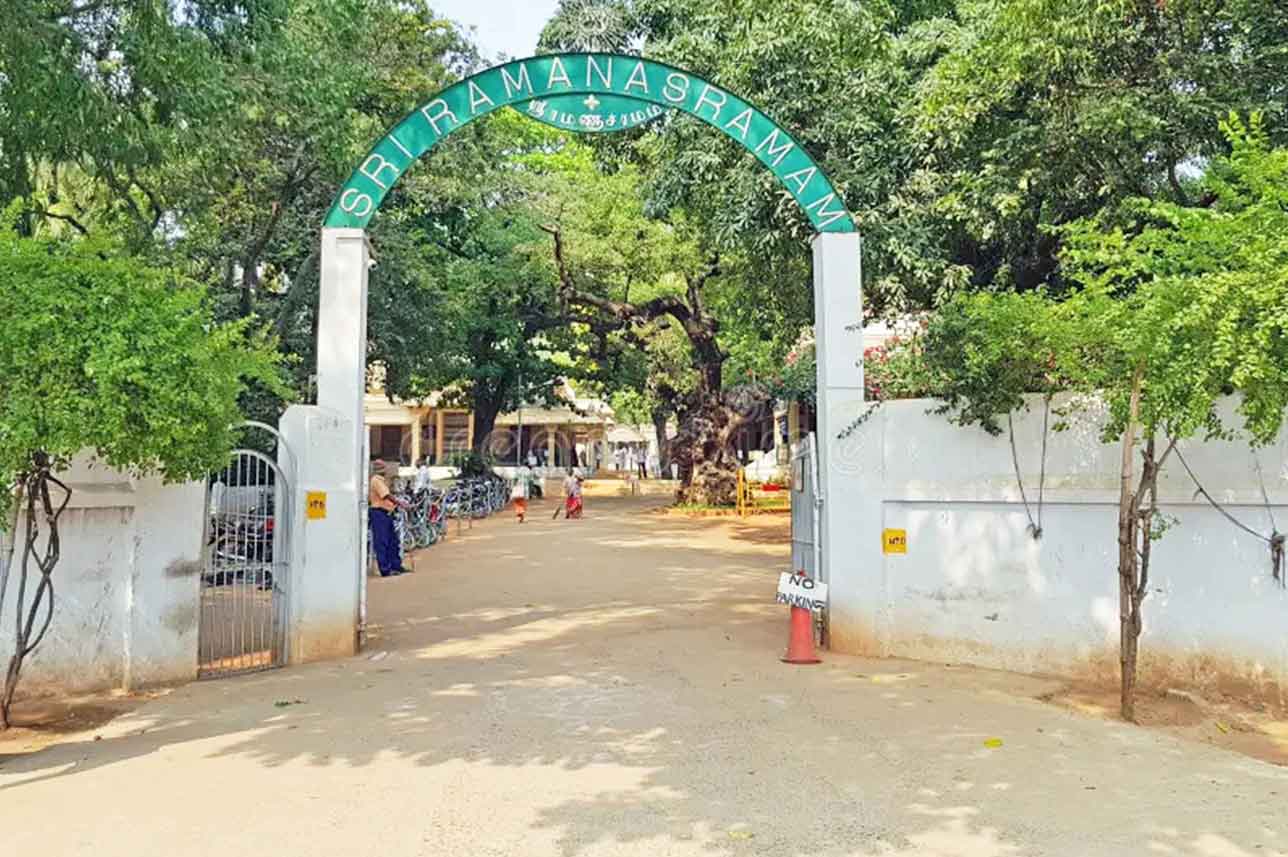
Ramana Ashramam
Ramana Ashramam (Sri Ramanasramam) sits at the foot of Arunachala in Tiruvannamalai and was the home of Sri Ramana Maharshi from 1922 until 1950. It remains a serene spiritual center where seekers practice self‑enquiry (Atma Vichara), sit in silent meditation, and visit the samadhi shrines of Sri Ramana and his mother. Key spots include the Old Hall for silent satsang, the library, and access to the hill paths leading to Skandashram and Virupaksha Cave. Daily Veda parayanam and simple ashram routines preserve the atmosphere of quiet contemplation, drawing visitors from around the world for guidance and inner stillness.
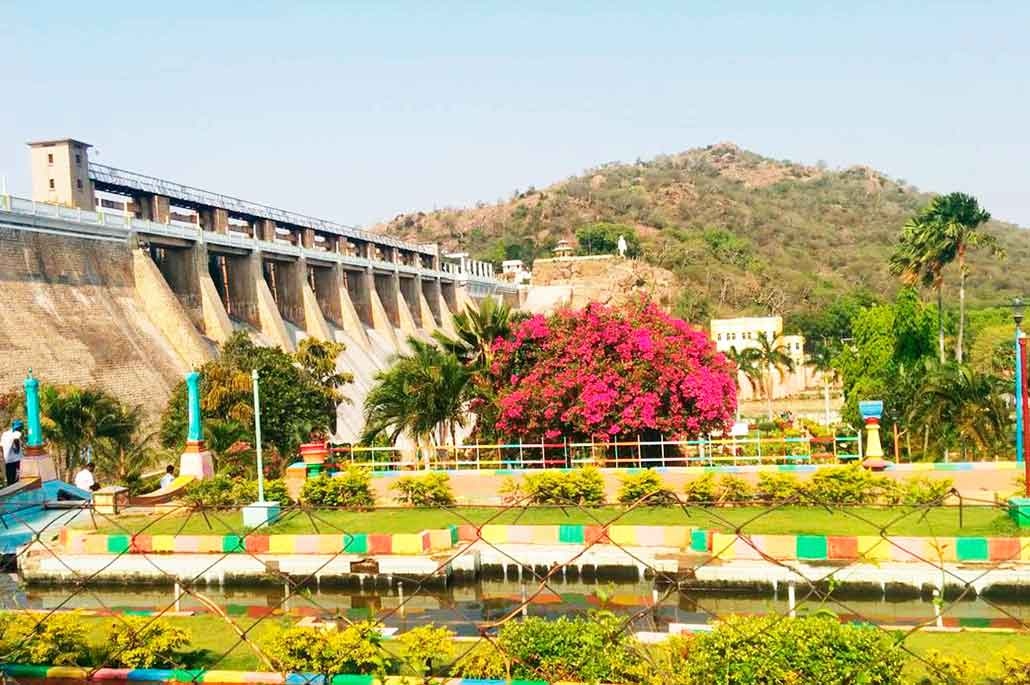
Sathanur Dam
Sathanur Dam is a scenic reservoir on the Thenpennai (Pennaiyar) River, about 30–33 km from Tiruvannamalai, built in 1958 as a major irrigation project and now a popular picnic spot. It features landscaped parks, a fish grotto, and a well-known crocodile farm that attracts families and nature lovers. Monsoon and post-monsoon months are especially beautiful when the reservoir is full and the spillway flows. Typical visiting hours run during the day with a small entry fee; plan around 2–3 hours including travel. The drive from town is straightforward, and combining the visit with nearby hill views makes for a relaxed half‑day outing.
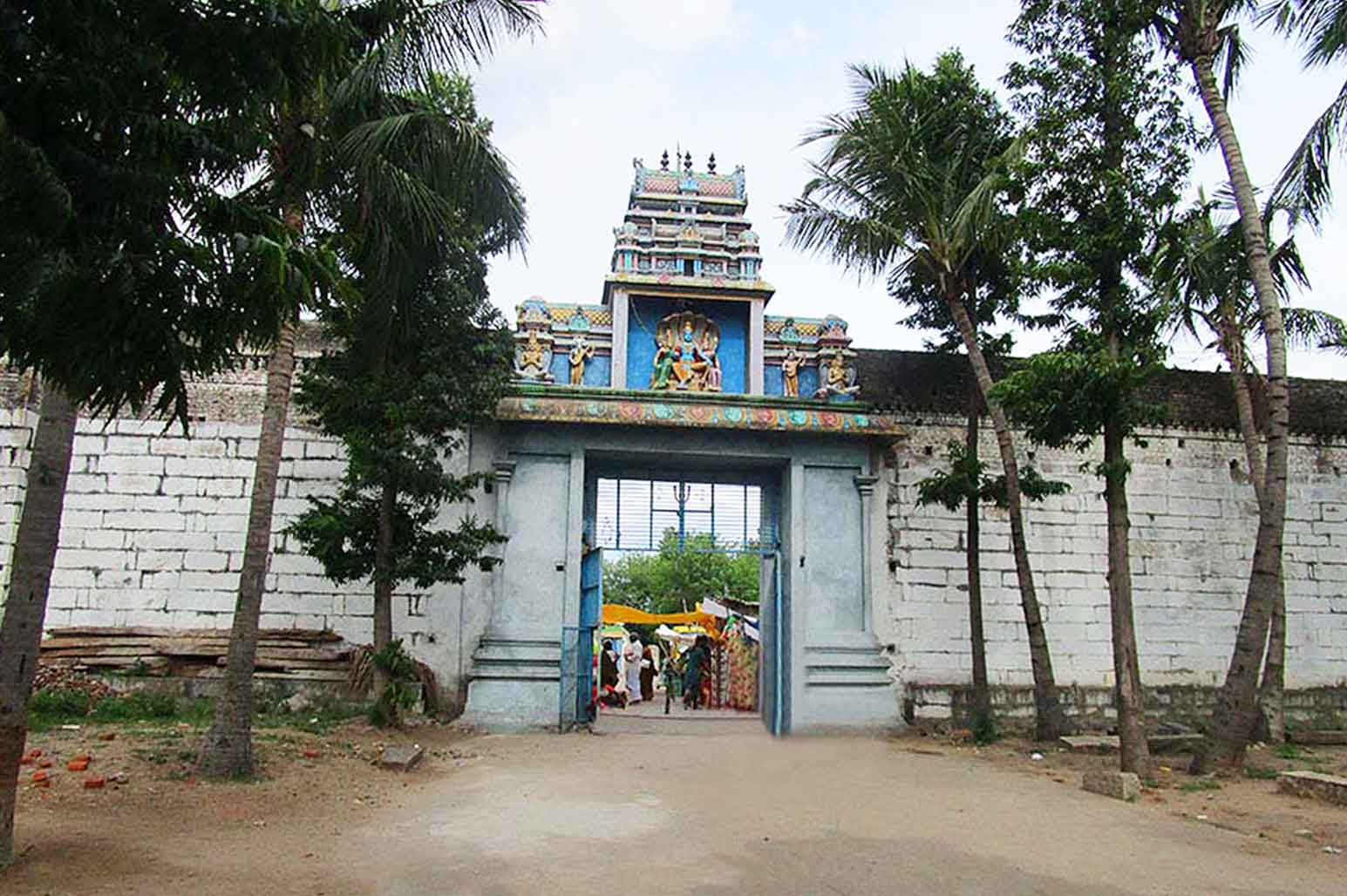
Aadhi Thiruvarangam
Aadhi Thiruvarangam (Adhirangam Ranganathaswamy Temple) is an ancient Vishnu temple near Tirukovilur, revered as “Adhi Rangam” because tradition holds it predates Srirangam’s shrine. The presiding deity, Ranganatha, rests in a grand recumbent posture, with the image famed for being exceptionally large and the complex built in classic Dravidian style. Legends link the site to early yugas and to the Thenpennai river, with festivals like the Chittirai car festival celebrated annually. The temple has ties to Chola and later Vijayanagara patronage and remains a serene pilgrimage spot within an easy drive of Tiruvannamalai.
Parvathamalai
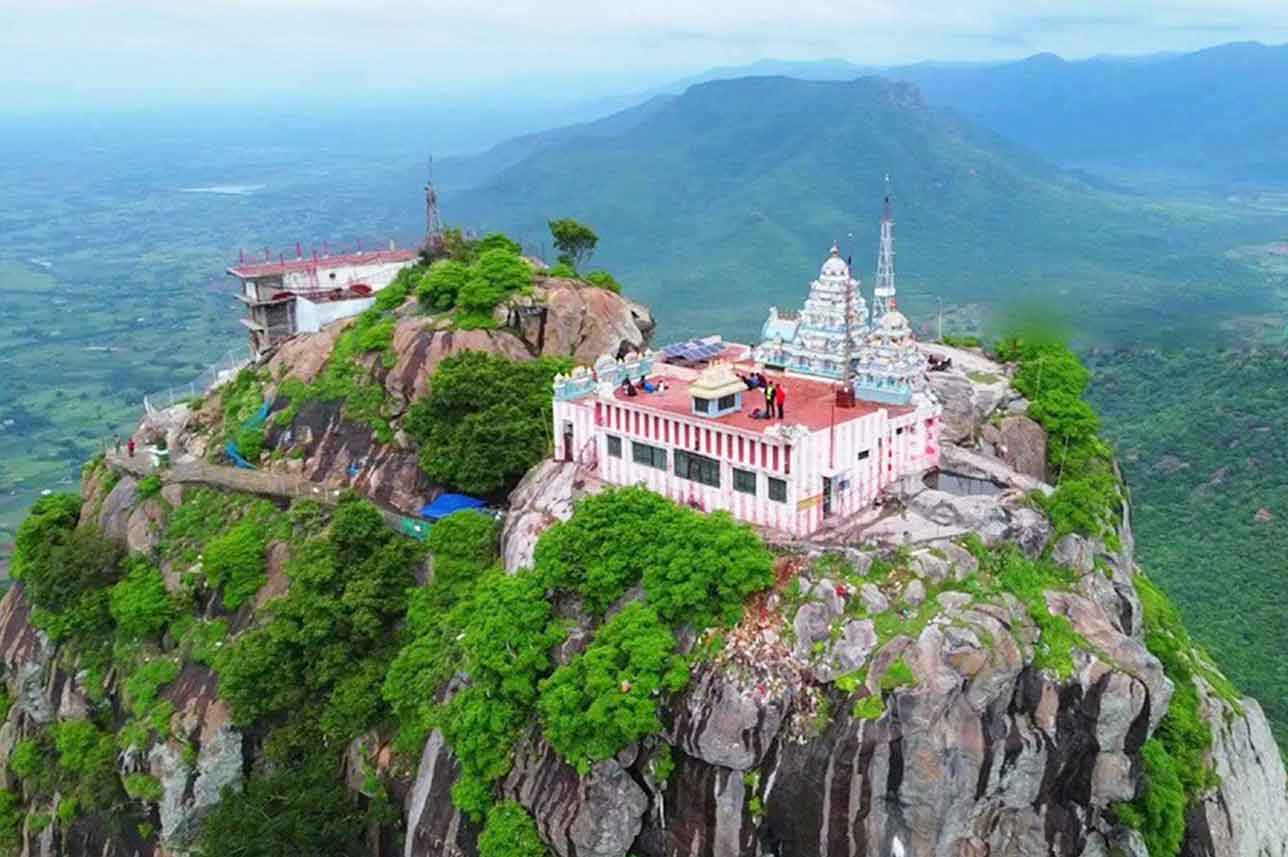
Parvathamalai is a sacred hill near Tiruvannamalai, famed for a challenging trek that climbs steep rocky sections and iron-rod ladders to a hilltop Shiva temple over roughly 4,000–4,500 feet. The summit temple, often called Mallikarjuna Swamy Temple, is a powerful pilgrimage spot with full‑moon crowds and a tranquil, windswept plateau for darshan and meditation. Trails usually start from Kadaladi or Thenmathimangalam, taking about 3–4 hours up and 2–3 hours down for fit visitors; sturdy shoes, water, and early starts are recommended. Many devotees also associate the hill with ancient siddhar lore and medicinal herbs, making it both a spiritual and adventure destination.
Padavedu Renugambal
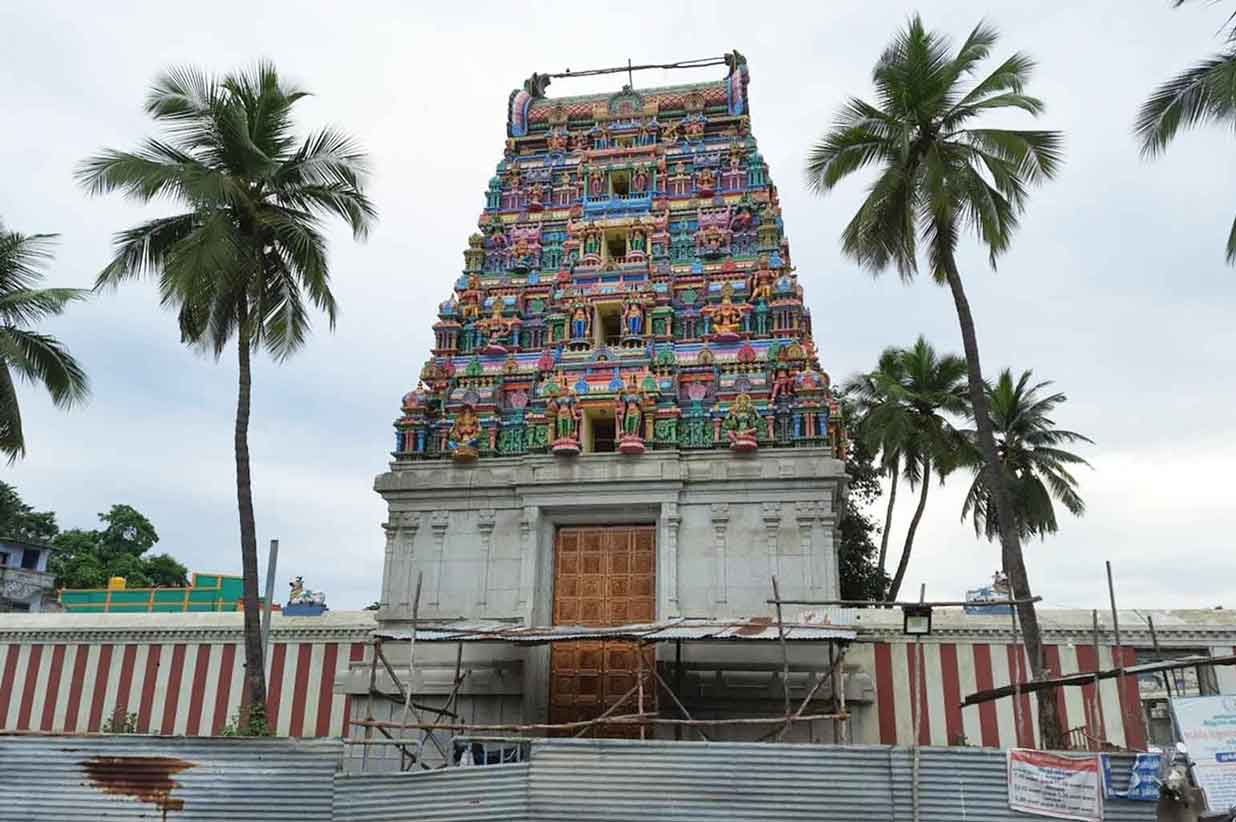
Padavedu Renugambal Amman Temple is a revered Shakti sthalam in Polur taluk, Tiruvannamalai district, where the goddess Renugambal is believed to be swayambhu and uniquely worshipped as a head form. The site is linked to sage Jamadagni and Renuka Devi and is considered the birthplace region of Parasurama, giving the area strong Puranic significance. Devotees highlight special prasadam and a serene temple tank, with Tuesdays and Fridays drawing larger crowds for powerful darshan. Many ancient shrines around Padavedu were revived in recent decades, making it a rewarding cultural circuit from Tiruvannamalai with easy road access.
Jawadhu Hills
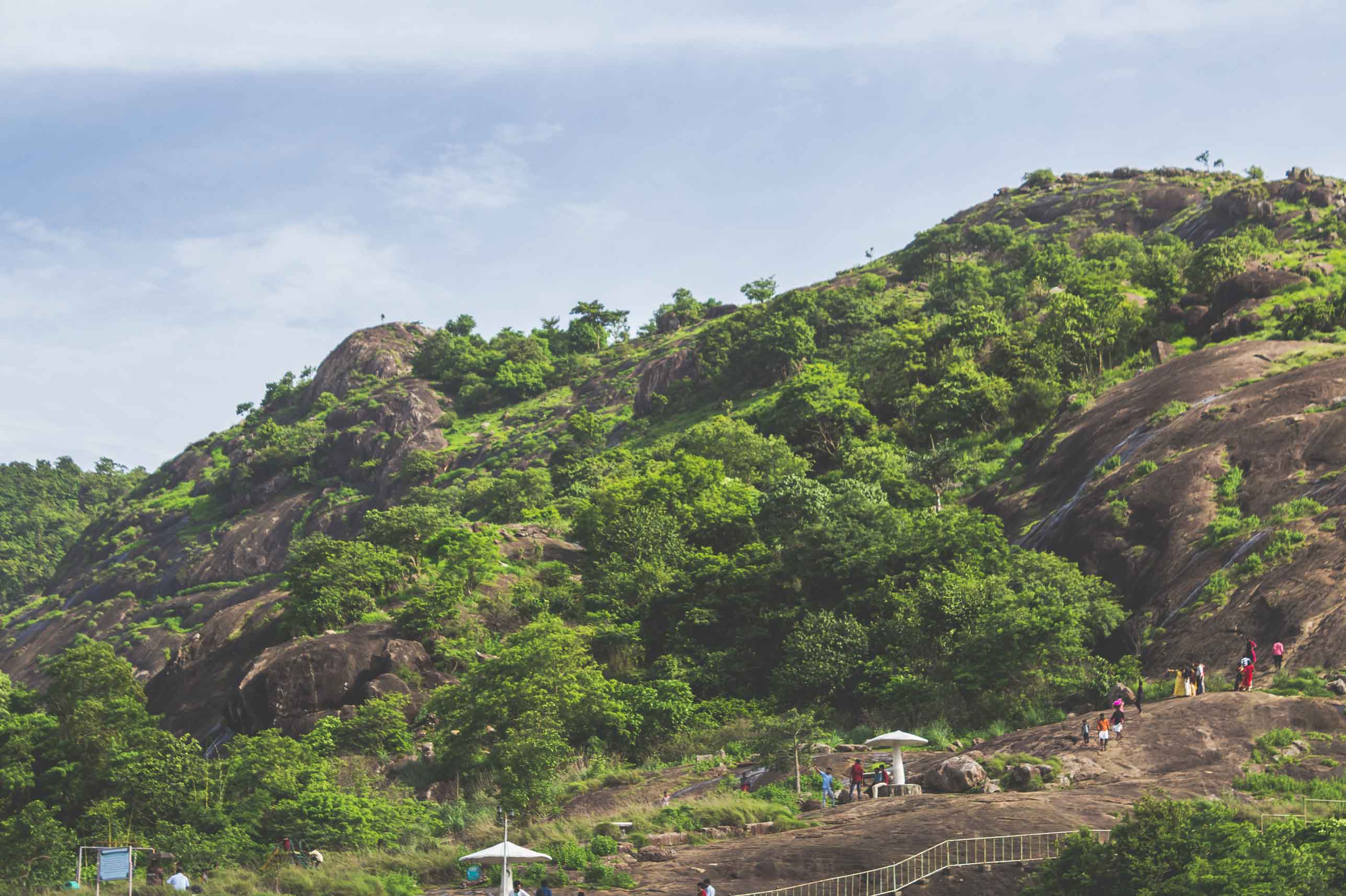
awadhu Hills is a serene Eastern Ghats range spanning parts of Tiruvannamalai and Vellore, known for bluish‑grey granite peaks around 1,100–1,350 m and lush forests with tribal hamlets and waterfalls like Beemanmadavu. The hills are popular for trekking, camping, and birding, with cool weather and scenic viewpoints such as Komutteri Lake. Astronomy lovers visit the Vainu Bappu (Kavalur) Observatory nearby, home to one of Asia’s significant optical telescopes with occasional public viewing. Typical access is via Polur or Tirupattur by road, making it a relaxed day trip or overnight escape from Tiruvannamalai.
Gingee Fort
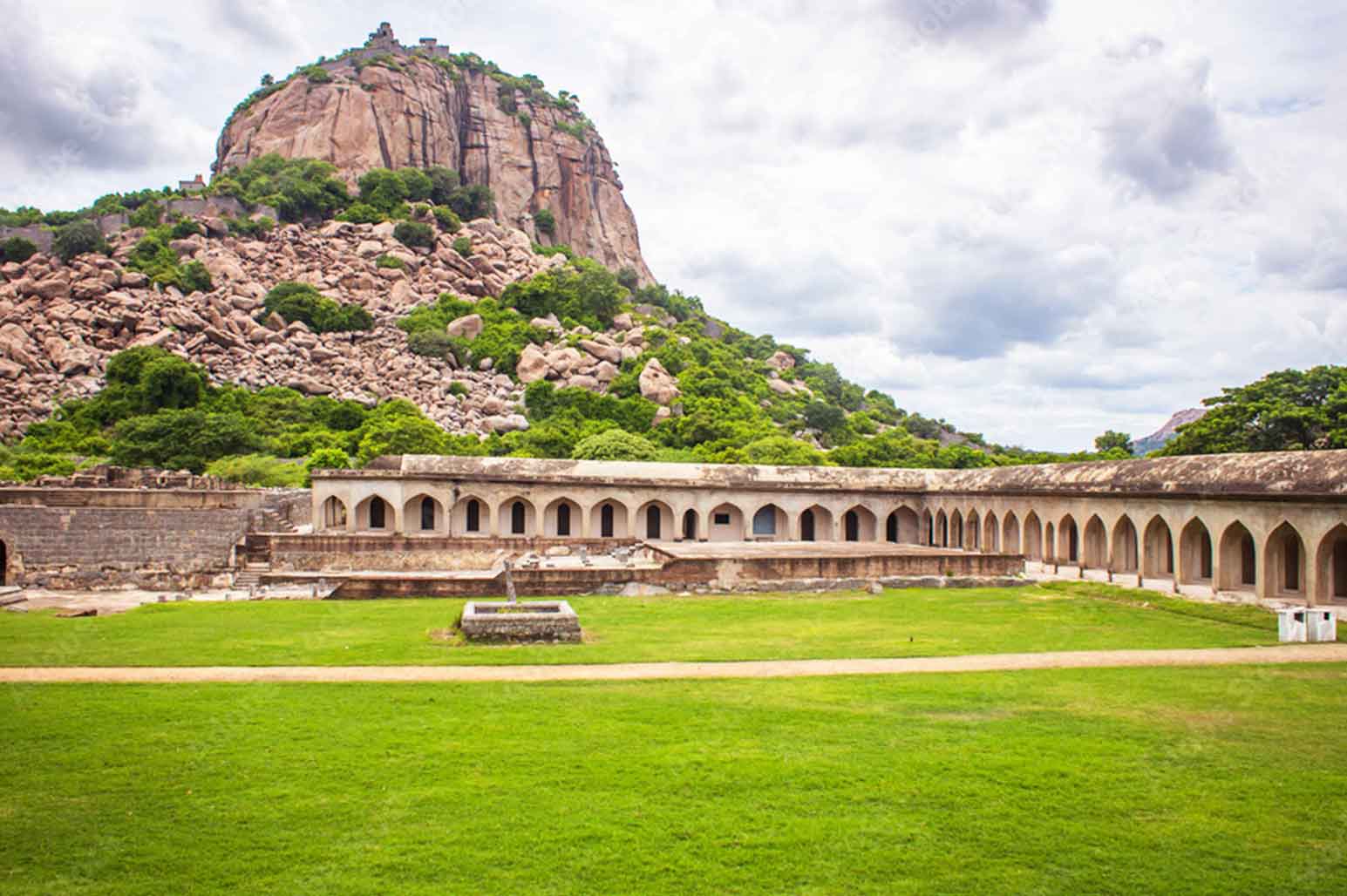
Gingee Fort (Senji) is a massive hill fortress about 40 km from Tiruvannamalai, famed as the “Troy of the East” for its near‑impregnable defenses and 13 km of ramparts. It spans three citadels—Rajagiri, Krishnagiri, and Chandrayandurg—with landmarks like the seven‑storey Kalyana Mahal, granaries, temples, and ponds. Built and expanded by Cholas, Vijayanagara Nayaks, Marathas, Mughals, French, and British, it showcases layered South Indian military history. The climbs are moderately strenuous but reward with sweeping views over rocky landscapes and paddy fields. Plan 3–4 hours, carry water and sun protection, and start early to avoid heat.

Contact
Vennila Residency
Sri Sai Baba Nagar No.258/39B Vengikkal Tiruvannamalai, Tamil Nadu 606604 India.